Revised from a 2019 blog.
After seven more years of training teenagers across diverse abilities and backgrounds, I've gained valuable insights. My experience spans working with both novices and talented athletes, coaching them individually, in small groups, and in large teams. Here are the main considerations when training high school athletes.
Age makes a difference.
There is a big difference when starting a teenager at 14 versus 17. Just as mental and emotional maturity differ across these ages, so does their physical maturity in how they learn and how they handle lifting weights. For younger athletes, there is typically a lot of time spent on basic movements before moving into moderate-intensity weight training. Key takeaway: Age-specific programming is crucial for both safety and progress.
Safety
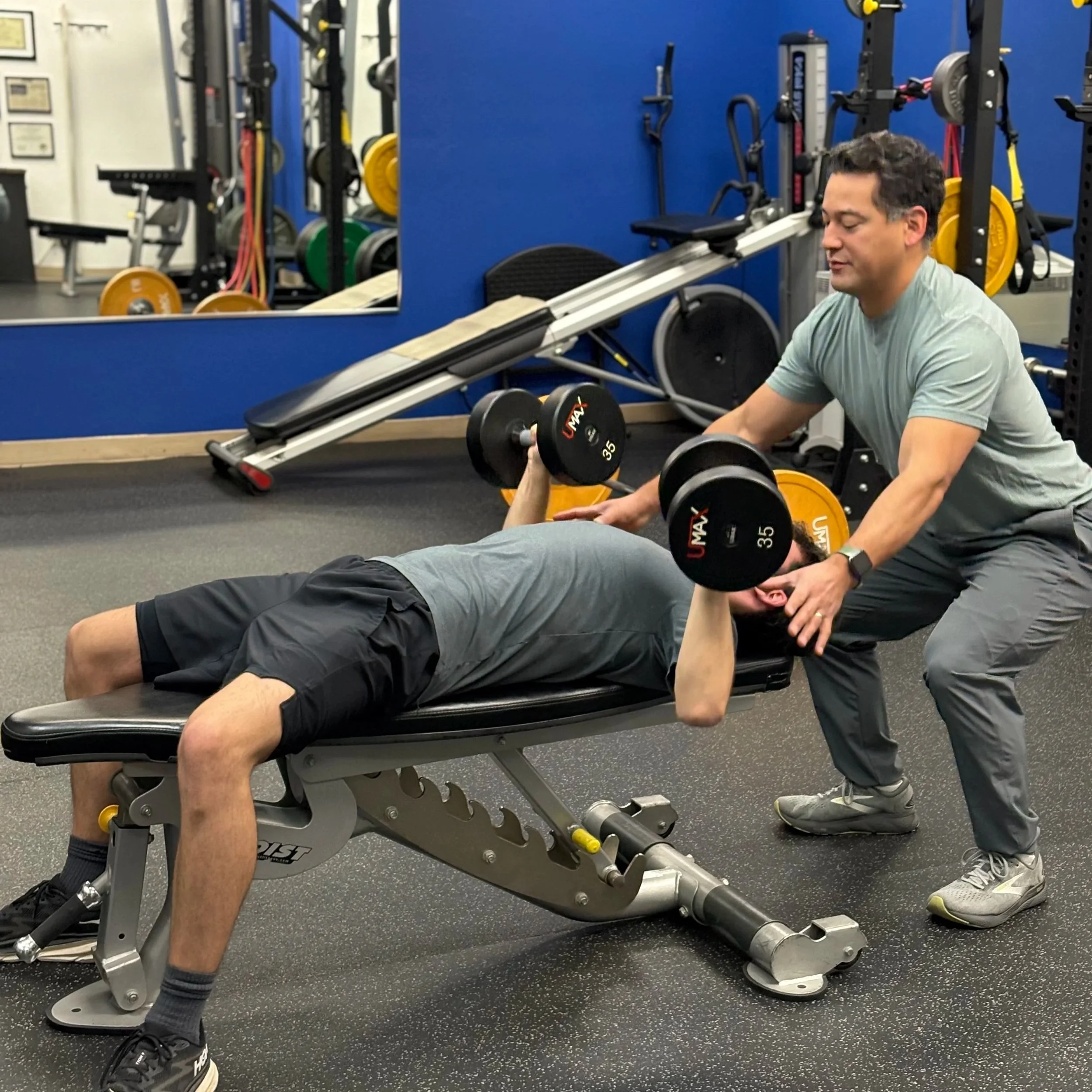
Weight training is safe for teenagers. The myth that it is risky or stunts growth is long disproven. There is risk in any physical activity, and weight training is no exception. With a qualified professional, a proper program has a very low risk of injury. Safety means teaching teens to focus on details, including loading weights, setting up exercises, and following often-overlooked weight room etiquette. Key takeaway: Proper supervision and attention to technique ensure safety during weight training.
Movement quality
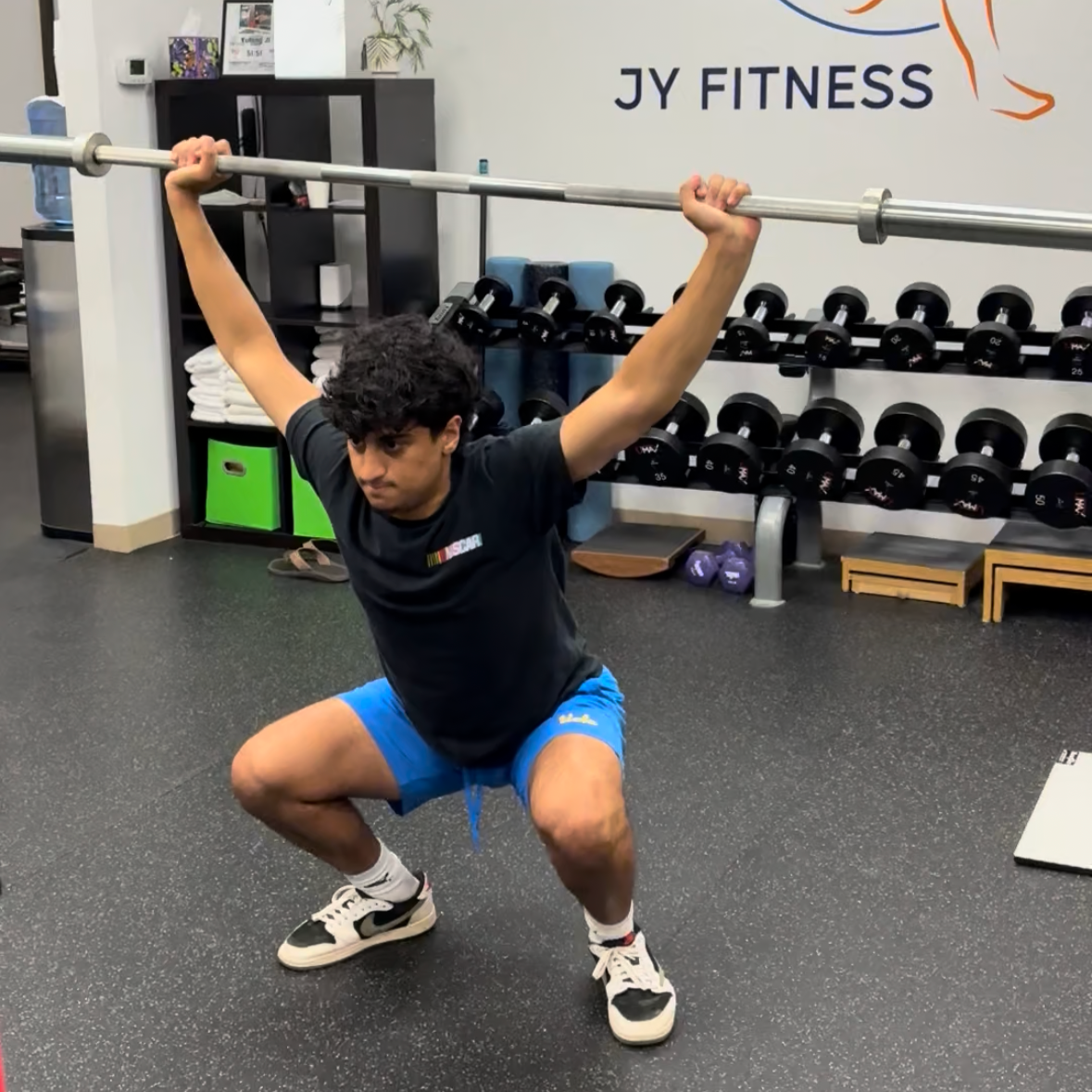
Learning the basic movements in weight training, such as squats, push-ups, lunges, and hip hinges, is vital before adding weight. If an athlete cannot perform a proper body-weight squat, loading them with a heavy barbell back squat is not advised.
Athletes must maintain proper dynamic posture for safety and functional strength. Maintaining spinal alignment through sufficient core strength is crucial. Athletes may want to get stronger at any cost, but poor form increases long-term risk for dysfunction or injury. Key takeaway: Emphasize form over pure strength to prevent injuries and promote long-term development.
Joint stability
It’s important to emphasize joint stability by completing smooth, controlled reps when first learning. Improvements in stabilization will naturally occur, especially when using free weights. Often, I have to teach kids how to handle the weights smoothly through various cues and specific lifting tempos. Key takeaway: Teach controlled movement to build stable joints safely.
Beginner strength development
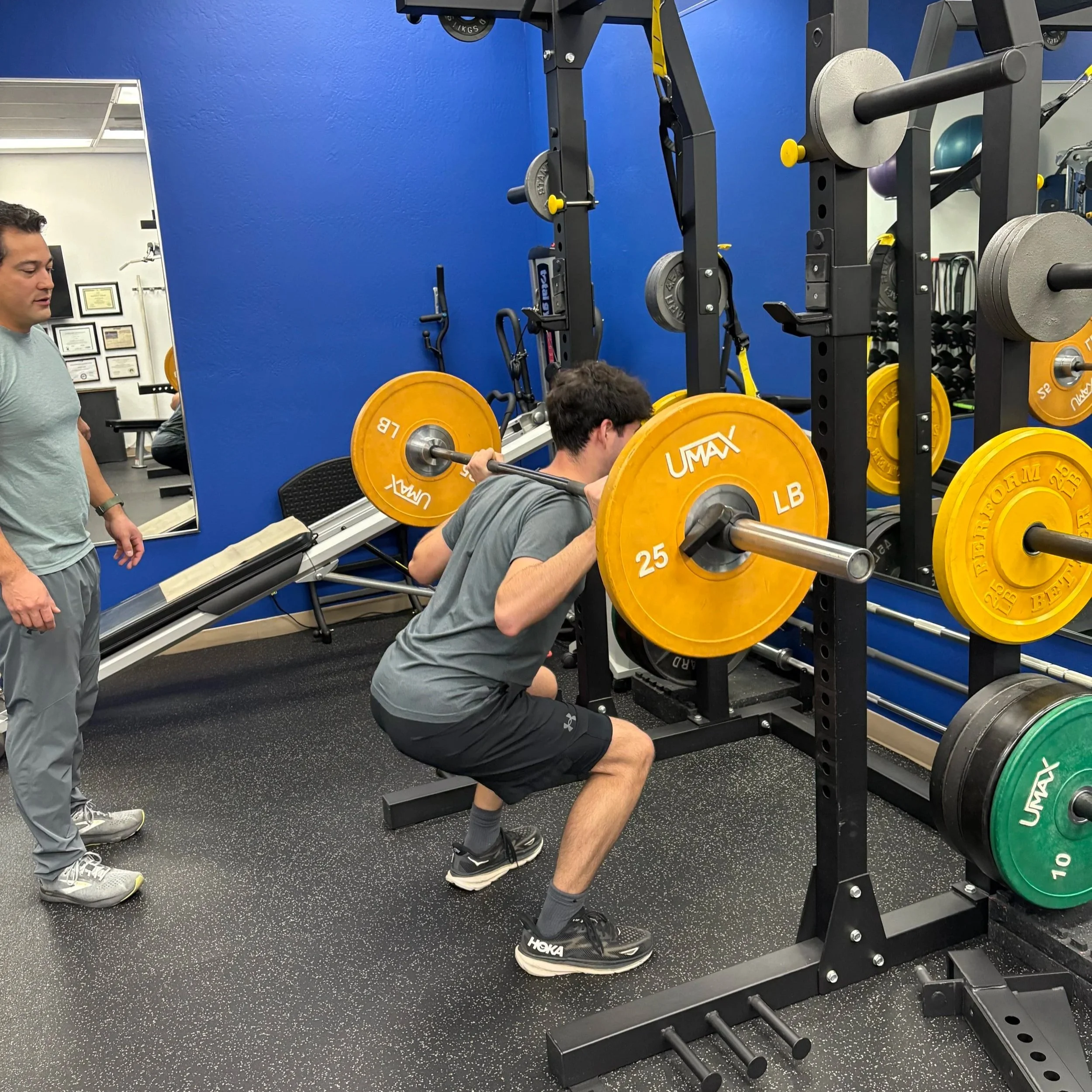
Once the high school athlete can perform the basics with good form, we can then begin a more traditional strength development program. At this point, they have already become stronger by learning the foundational exercises. This is where weight is added to appropriately challenge the athlete, resulting in noticeable increases in strength. Key takeaway: Mastery of the basic movements enables safe and effective strength progression.
The amount of strength the teen athlete needs varies by sport. Football players, sprinters, and shot put/discus throwers will directly benefit from large increases in strength and power. On the other end of the strength spectrum, distance runners need modest strength to withstand high weekly mileage. Although strength may not be directly related to performance in non-power-based athletes, it is important to have a program in place to maintain muscular balance and prevent injuries. Nearly all other sports involve strength and power in movements such as sprinting, jumping, kicking, throwing, and grappling. Anything done quickly or against resistance is strength and power-based. Key takeaway: Tailor strength goals to the sport, but ensure all athletes develop a strength base.
Building strength to a base level is important, as it makes a big difference when an athlete has a particular weakness. There are general strength guidelines for athletes, like being able to squat, bench, or power clean an approximate weight to be optimally effective in their sport. If there is a large disparity between what an athlete can squat and what they should be able to, they will often, for example, have issues maintaining a proper stance or initiating movements. Key takeaway: Strive for balanced, sport-appropriate strength to address weaknesses.
Key exercises
They should be able to perform all basic lifts and strength movements with adequate weight. These include a back squat, a deadlift variation (RDLs, clean pulls), pulling (rows, pull-ups), pressing (bench, push-ups, overhead presses), weighted lunges, and typically power cleans (or variations). Any deficits in strength need to be addressed, and overall improvements will help the athlete perform better. Key takeaway: Prioritize proficiency in key exercises and address weaknesses for overall improvement.